
Beijing Solo Itinerary: Avoid Crowds & Book Early
Beijing is a city steeped in history, embodying the essence of ancient Chinese civilization. It boasts a long history, brilliant culture, and…
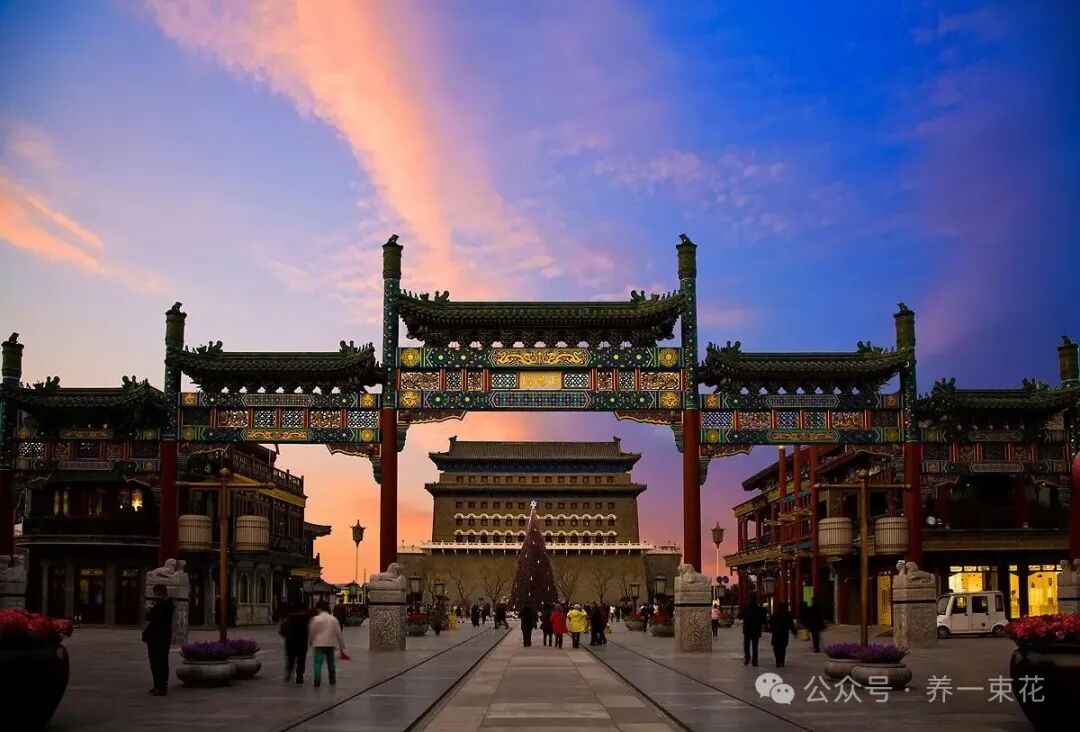
Beijing is a city steeped in history, embodying the essence of ancient Chinese civilization.
It boasts a long history, brilliant culture, and a wealth of historical sites, seamlessly preserving and presenting ancient historical and cultural treasures within a modern urban environment. While embracing modern development, it retains the unique charm of old Beijing.
I took three days off plus the statutory holidays, and spent five days exploring Beijing solo.
I’m sharing my experience, having consulted numerous guides and invested significant time crafting a travel plan. Based on the final results, my plan proved to be highly practical.
PS: I’m sharing my experience based on having visited all the mentioned attractions and routes, and I’ll highlight important points to consider. Feel free to follow along with my guide.
- Universities like Peking University (北京大学) and Tsinghua University (清华大学) are no longer open to the public.
- Many attractions now limit the number of visitors, so advance reservations are essential.
- Remember to bring your ID card when you go out. Security checks around Tiananmen Square (天安门广场) are very strict; try to leave early and avoid the crowds around 9:00 AM and 6:00 PM.
If this article proves helpful, please like, favorite, and support it! I’ll continuously update and improve it to create the most convenient and practical travel guide possible.
No trip to Beijing is complete without visiting the National Museum (国家博物馆), and the exhibits are well worth seeing. Art enthusiasts can refer to the following table to plan their visits accordingly.
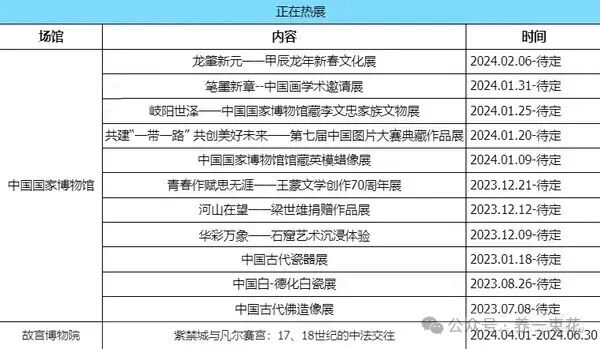
Table of Contents
I. Accommodation
II. Transportation
III. Food
IV. Detailed Itinerary
–》Day 1: Departure City–Beijing, (Yonghe Palace), Tiananmen Square
–》Day 2: (Gongwang Mansion), Forbidden City, Jingshan Park, Beihai Park
–》Day 3: Summer Palace, Nanluoguxiang, Drum Tower, Shichahai, Xiyuan Snack Street
–》Day 2: Badaling Great Wall, Temple of Heaven Park
–》Day 2: National Museum of China, Beijing–Return Home
V. Conclusion
I. Accommodation
For accommodation, I recommend the area around (Qianmen). Other options include areas within the third ring road near subway stations like (Nanluoguxiang/Gulou). These places aren’t cheap either.
Staying in that area allows you to experience Hutong culture and local life firsthand. In the mornings, you might see locals fetching water, feeding birds and fish, watering plants, and sunbathing.
These two hotels have excellent locations, on a street opposite (Dazhalan Food Street). It’s a short walk to (Qianmen Pedestrian Street) and you can relax while also conveniently browsing the street.
If your family or travel companions have difficulty with mobility or if you’re short on time, consider choosing a hotel closer to Tiananmen Square. Of course, the price will be higher.
This one is very close to (Zhengyangmen), making it convenient to watch the flag-raising ceremony. It’s a very short walk.
Overall, the (Qianmen) and (Dazhalan) areas are both good options, with prices generally around the same level.
I stayed at the Haiyou Hotel on the first night, costing around 300 RMB. Later, I switched to another hotel and ended up in the basement, which was cheaper by 100 RMB. I just made do, as I was mostly out and about anyway. Saving money is always a plus.
II. Transportation
You don’t really need to get a transportation card. Simply download the “Yi Tong” APP on your phone and bind Alipay or WeChat. Scan the code to board and scan again upon arrival, and it will automatically calculate and deduct the fare. Buses generally cost around one or two RMB.
PS: Beijing buses board from the middle. Larger buses have three doors, and the front door is for exiting. I didn’t know this at first and mistakenly rushed towards the front door, and the bus attendant asked me to board from the middle.
The subway also uses this APP, which I find very convenient, and the prices are cheaper than Shenzhen.
Also, cycling is a convenient option. Distances of two or three stations can easily be covered using a shared bike. Beijing’s roads are quite user-friendly, with dedicated bike lanes separate from pedestrian walkways, making cycling very pleasant.
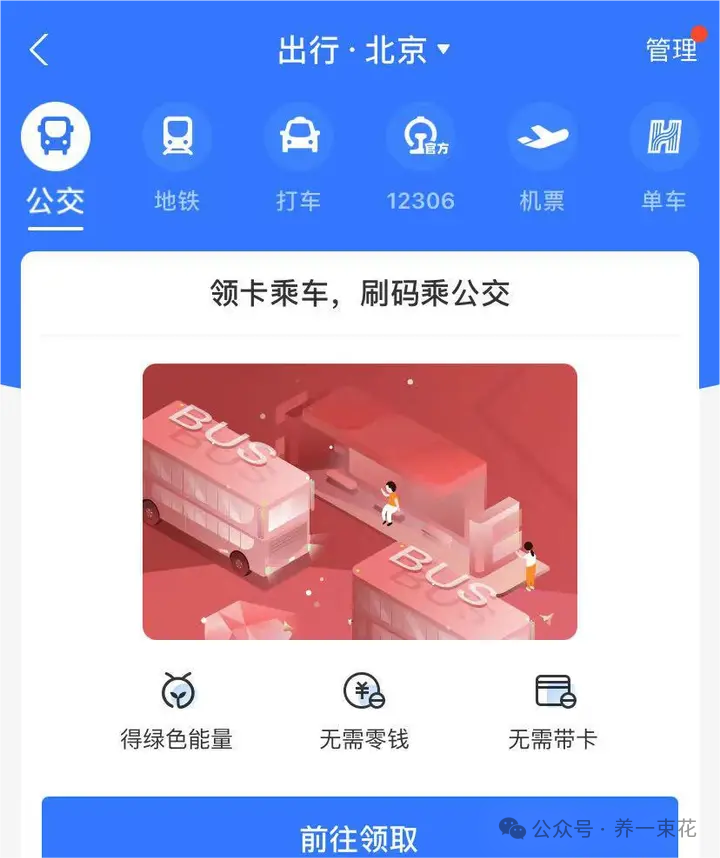
Using Alipay for Transportation
Alipay has a really convenient “出行” (Chūxíng – Transportation) feature you can use. I checked it out myself, and it’s quite handy. Just tap on the homepage, switch to Beijing, and you can directly scan the code for transportation.
While 亿通行 (Yì Tōngxíng) has a more comprehensive map, if you don’t want to download another app, you can use Alipay to pay for bus fares.
Food Recommendations
When it comes to food, preferences vary, but generally, Beijing cuisine has distinctive local characteristics – not very spicy, with a predominantly sweet and savory flavor profile. You should give 豆汁儿 (Dòuzhī – Bean Juice) a try, but don’t expect too much; even with my tolerant eating habits, I could only manage about half a bowl.
Eating out is relatively expensive. A single bowl of noodles, fried rice, or a covered rice dish will likely cost around 30 yuan. It’s enough to fill you up, but don’t expect gourmet flavors. With a group, you could try 四季明福 (Sìjì Míngfú) for Peking Duck, or find a place to enjoy 涮羊肉 (Shuā Yángròu – Hot Pot).
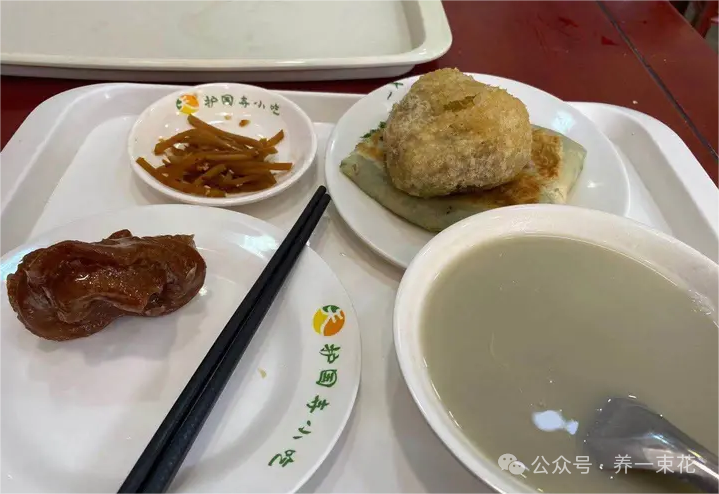
Here are a few snack recommendations: I suggest trying (Hùguó Sì xiǎo chī) and (Jǐn Fāng). They offer reasonable prices and decent flavors.
If you don’t like local tastes, you could visit (Guǐ Jiē), which has a wide selection of dishes like crayfish, Chongqing hot pot, and Sichuan cuisine.
IV. Detailed Itinerary
Below is my detailed itinerary, including thorough descriptions and tips to avoid common pitfalls. The arrangement is carefully considered, involving identifying attractions and linking them, while also accounting for their geographical locations.
My aim was to minimize car rides and walking, avoiding unnecessary detours and ensuring a smooth flow.
Feel free to adjust my itinerary to suit your preferences. I average between 30,000 and 33,000 steps per day.
Younger individuals should generally be fine, just remember to get some rest in the evenings to recover quickly.
Day 1: Departure City — Beijing, (Yōnghé Gōng), Tiananmen Square
I opted for a morning flight to avoid rushing things. Arriving in Beijing around noon allows for some sightseeing in the afternoon.
Upon exiting Capital Airport, take the Airport Express Line, which requires a separate ticket costing 25 yuan. It takes approximately half an hour to reach Dongzhimen, where you can transfer to other subway lines to reach (Yōnghé Gōng).
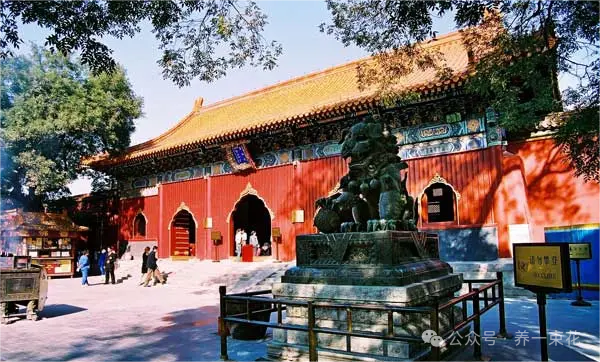
It just so happened that I visited on Qingming Festival, paying respects to the Buddha and my ancestors. The (Yonghegong) is Beijing’s largest Tibetan Buddhist temple, a must-see for those who believe. Even if you don’t, it’s worth a visit, as we all share a yearning for a beautiful life.
In the 32nd year of the Kangxi Emperor’s reign, (Yonghegong) became the residence of the Prince Fourth, Yinzhen. In 1983, it was designated as a national key temple of Han Buddhism by the State Council. The (Zhaotaimen) gate, Bell Tower, Drum Tower, (Yonghemen) gate, (Yonghegong), Lecture Hall, and Esoteric Buddhism Hall present the standard layout of the “seven halls and pagodas” style found in Chinese Buddhist temples.
Time Needed: 1-3 hours
Ticket Price: 25 yuan
[Yonghegong] Reservation Website: http://www.yonghegong.cn
After visiting (Yonghegong), I checked into my hotel and walked to (Tiananmen Square). I was fortunate enough to witness the lowering of the flag ceremony, and the sunset offered a beautiful view, allowing me to capture the (Tiananmen Cheng Lou) in a stunning blue hour.
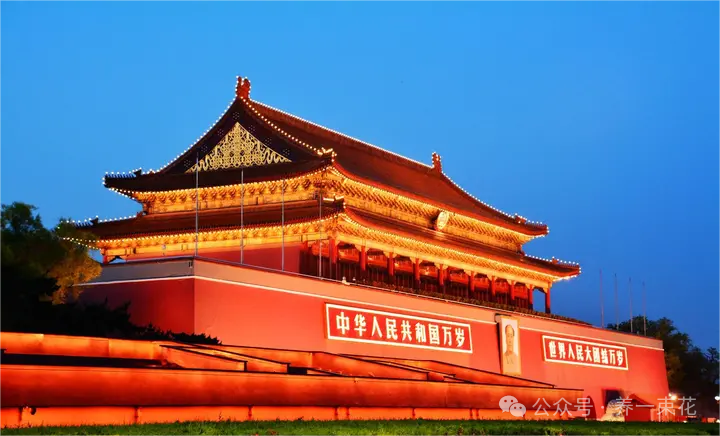
Earlier in the afternoon, there were already several layers of people standing in (Tian’anmen Square) facing the side of the square towards the (City Tower), waiting for the flag-lowering ceremony. Because I arrived relatively late, I had to stand on my tiptoes and use my phone to take pictures to see.
After the flag-lowering ceremony ended, I followed the crowd to the side near the (National Museum of China), where I saw the nighttime view of (Tian’anmen) and (Chang’an Avenue).
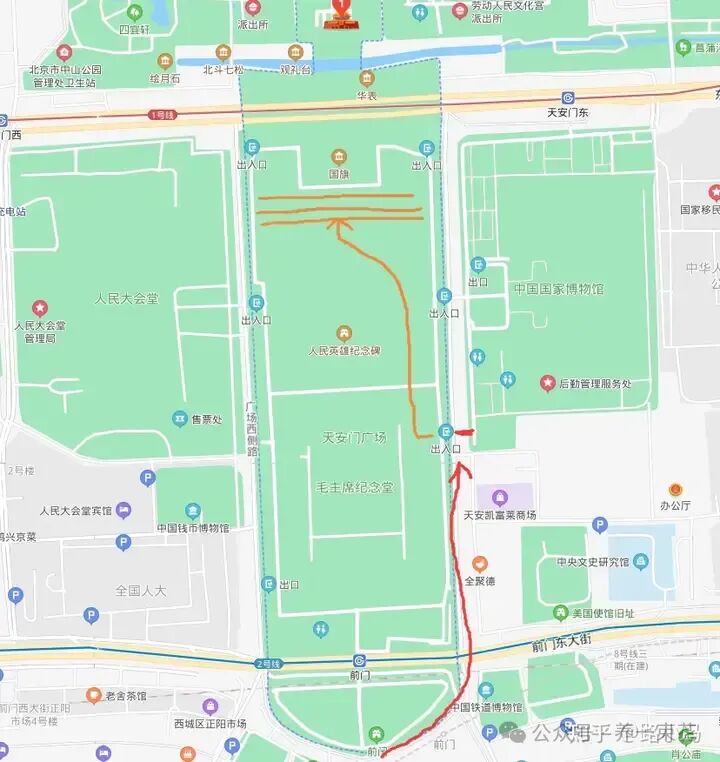
Day 1: Tiananmen Square & Hutong Exploration
If you’re staying near (前门) Tiananmen Gate and (大栅栏) Hutong, here’s your route to watch the flag-raising ceremony. The map indicates the starting point for security checks (marked by the red arrow). Be aware that queues can be long, especially when crowds are large. To ensure a good view of the flag-raising, wake up early and position yourself at the front of the line. The distance to the flag platform is already somewhat far.
Day 2: Prince Gong’s Mansion, Forbidden City, Jingshan Park, Beihai Park
Visit the residence of “China’s First Grand Corrupt Official” He Shen (和珅) – (恭王府) Prince Gong’s Mansion. While its architectural layout isn’t as grand as the (故宫) Forbidden City, the details and artistry are arguably even more exquisite.
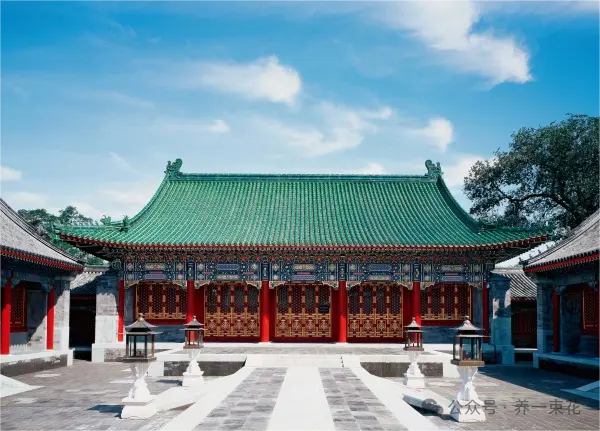
Visiting the Prince Gong’s Mansion (恭王府) – A Glimpse into Qing Dynasty History
The Prince Gong’s Mansion (恭王府) is the most complete preserved royal residence in China, boasting over 30 distinct architectural complexes with a meticulously planned layout and impressive grandeur. Originally the residence of Hezhen (和珅), it has witnessed the rise and fall of the Qing dynasty, leading to its nickname: “A Prince Gong’s Mansion equals half of Qing Dynasty history.”
You’re sure to find the Prince Gong’s Mansion (恭王府) very worthwhile. You’ll even be surprised to see that Hezhen (和珅) was quite handsome, not the stereotypical image of a large, bald man! There are portraits of him and historical introductions to be found inside. Furthermore, Emperor Qianlong even married his tenth princess to Hezhen’s (和珅) son, propelling Hezhen (和珅) to great heights and earning him immense favor with Qianlong.
The mansion is divided into two main sections: the residential compound and the gardens. The Western Gate (西洋门), the Grand Theatre (大戏楼), and the Back Canopy Building (后罩楼) are considered the “three wonders” of the Prince Gong’s Mansion (恭王府) – don’t miss them! The Secret Cloud Cave (秘云洞) is also worth exploring; it houses a stele inscribed with the character “福” (Fú – Blessing), originally taken from the palace during the Kangxi reign.
Time Needed: 2-3 hours
Ticket Price: 40 RMB
Reservation Website: http://www.pgm.org.cn
【Prince Gong’s Mansion (恭王府)】Reservation Website: http://www.pgm.org.cn
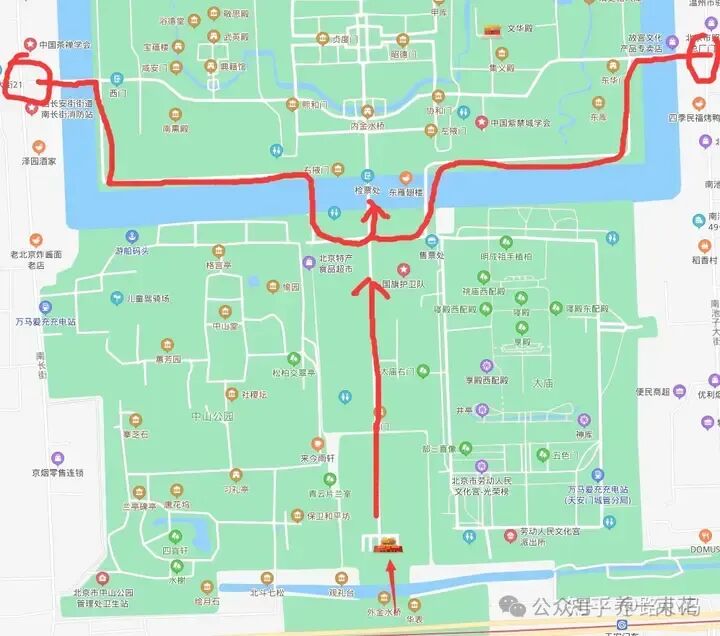
Tips: After your visit to the Prince Gong’s Mansion (恭王府), navigate directly to the Forbidden City (故宫). After turning left, you’ll encounter a street filled with local snacks. Enjoy lunch there before taking bus lines 3 or 4 to a western gate of the Forbidden City (故宫). Follow the outer walls of the city wall for about half a circle to reach the entrance.
Here’s a natural and fluent English translation of the provided text, following your instructions:
According to the map, you have two convenient options to reach the Forbidden City (故宫) entrance. The route on the left, (南长街) (my actual route), and the one on the right, (南池子大街), both offer easy access.
Try to avoid entering through Tiananmen Gate (天安门城口); the security checks are notoriously tedious, and the queues can be incredibly long, especially when it’s crowded. The routes on either side are actually recommended by the military officers (武警小哥哥), and they truly are quite convenient.
As for the Forbidden City (故宫) itself, you’ve likely seen it on TV or online – it’s all about the grandeur. Be prepared for sore legs; it’s quite a lot of walking! Luckily, there are plenty of benches for resting along the way. No wonder the royals and nobles in the past had carriages to get around!
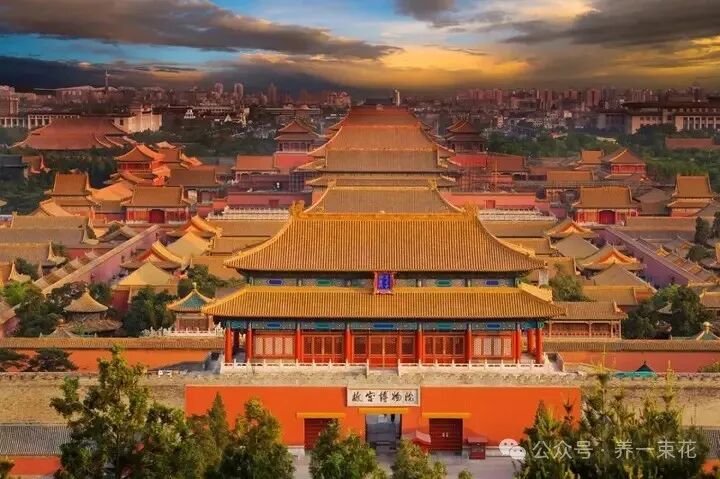
Day 2: The Forbidden City (故宫), Jingshan Park (景山公园)
Time needed: Approximately 3 hours
Ticket Price: 60 RMB
Reservation Website: https://gugong.ktmtech.cn/
The Forbidden City (故宫) – Reservation Website: https://gugong.ktmtech.cn/
Emerging from The Forbidden City (故宫), you’re right next to Jingshan Park (景山公园). The ticket price is just 2 RMB and easily overlooked. Standing on the summit offers a stunning panoramic view of The Forbidden City (故宫), as well as the Beijing city center and the Beijing Central Axis marker. It’s a popular spot for photos and check-ins.
We didn’t have time for Beihai Park (北海公园) due to the lateness of the hour, and my legs were aching significantly. It’s said to have a white pagoda (白塔), but it wasn’t quite enticing enough.
Day 3: The Summer Palace (颐和园), Nanluoguxiang (南锣鼓巷), Drum Tower (鼓楼), Shichahai, and Yansougai Street (斜烟袋街)
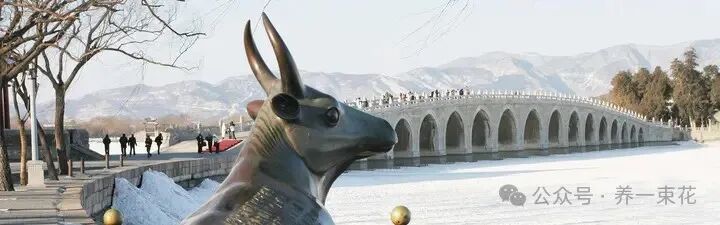
The Summer Palace (颐和园) truly lives up to its reputation as a royal garden. It’s a seamless blend of mountains and water, beautifully laid out with ingenious design.
Here’s a natural and flowing English translation, following your rules:
After descending from Wansong Hill (万寿山), head east towards the direction of the Eastern Palace (东宫). First, proceed towards the area of the Seventeen Arch Bridge (十七孔桥), then turn back and pass by the Corridor (长廊) towards the Fragrant Buddha Pavilion (佛香阁). Continue west, traversing the West Embankment (西堤), where you’ll find a layout mirroring Hangzhou’s West Lake, complete with weeping willows, small bridges, and ducks – a truly charming scene.
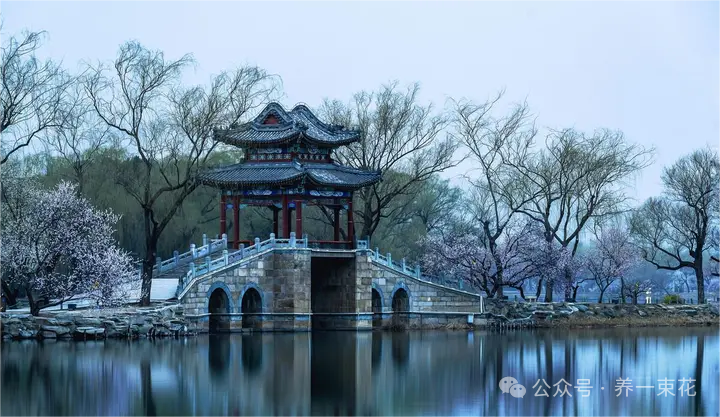
The scenery in the Summer Palace (颐和园) is serene and elegant, truly relaxing. It’s hard not to admire the refined taste of the ancient emperors.
Time spent: 3 hours | Ticket price: 30 RMB | Reservation website: https://ticket.summerpalace-china.com/#/
[Summer Palace (颐和园)] Reservation website: https://ticket.summerpalace-china.com/#/
Tips: You can explore the Summer Palace (颐和园) by visiting the eastern side first and then the western. After ascending Wanshou Mountain (万寿山), descend on the left side and follow the lakeside towards the Seventeen Arch Bridge (十七孔桥). On your return, walk back from the palaces on the left, passing through the Long Corridor (长廊) to reach the Buddhist Incense Pavilion (佛香阁), then visit the Stone Boat (石舫) and West Lake (西堤). Finally, you can exit through another gate using navigation (which leads directly to a subway station). This allows you to experience a wide range of beautiful scenery without walking the entire route.
Nanluoguxiang (南锣鼓巷) was a bit underwhelming – it didn’t quite live up to its name. After a brief stroll, I headed to Fangzhanchang 69 (方砖厂69号) for a bowl of authentic Beijing fried noodles (炸酱面). It was quite good, and I especially enjoyed the pickled garlic (腊八蒜).
Next, I visited the Bell Tower (钟楼) and Drum Tower (鼓楼), but only viewed them from afar. There’s a Yao Ji Chao Gan (姚记炒肝) restaurant next to the Drum Tower, but I was too full from the fried noodles to try it.
Following the navigation, I found Xiyanyao Street (斜烟袋街). The street is primarily filled with food vendors. It leads directly to the Houhai bar street. The bars were already opening in the evening, with live music coming from open windows, featuring resident singers. There weren’t many customers yet, likely a later crowd.
After listening to the music for a while, I walked along the Houhai lake. I saw a few gentlemen fishing, and there’s a small park where locals were exercising, playing ping-pong, playing chess, and playing cards – a very leisurely scene.
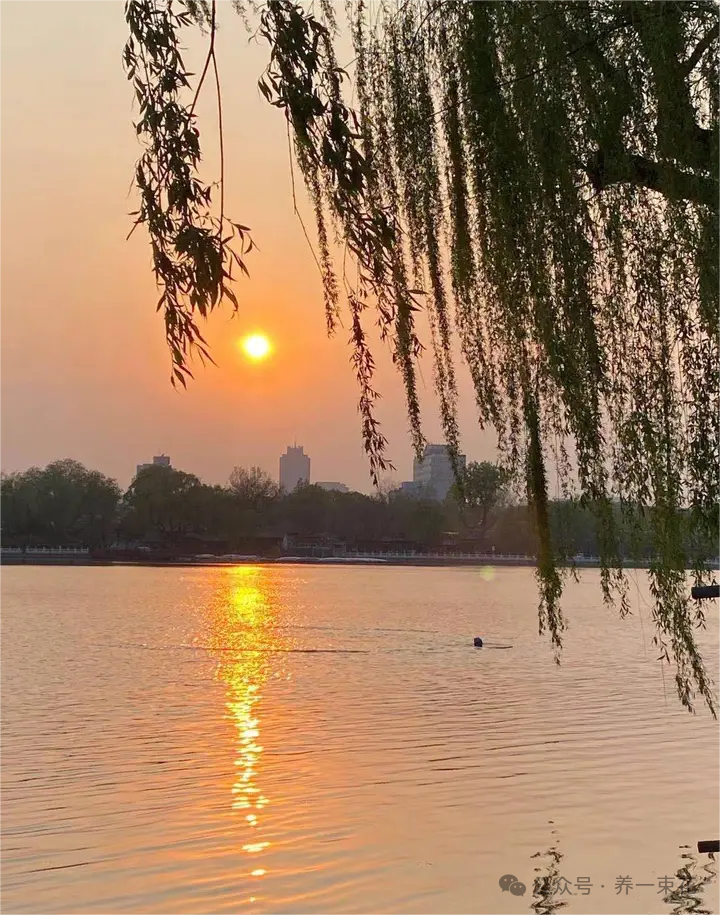
Okay, here’s the translated content, following your instructions and maintaining the original information, formatted in Markdown:
I spent some time playing Sun Descending (太阳下山) and witnessed a beautiful sunset. I even saw two older gentlemen swimming in Houhai (后海)! Really impressive physiques.
Tips: Nanluoguxiang (南锣鼓巷), Bell Tower (钟楼) and Drum Tower (鼓楼), Shichahai, Houhai, and Xiyandai Street (斜烟袋街) are all located together and can be explored in a single afternoon. Take the subway to Nanluoguxiang (南锣鼓巷) and walk from there.
Day 4: Badaling Great Wall, Temple of Heaven Park
“He who has never been to the Great Wall is not a true man.” The Great Wall in spring is also vibrant with life, covered in blooming apricot blossoms – a truly beautiful sight.
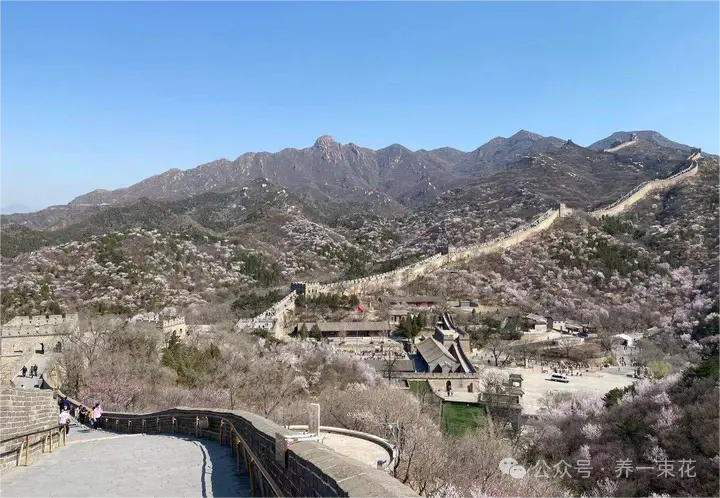
Day 5: The Great Wall (Badaling) & Temple of Heaven
The (Badaling Changcheng) is approximately 82 kilometers from (Qianmen). Buses typically depart from (Qianmen) station, with another departure point being (Deshengmen).
The journey from (Qianmen) takes about 1.5 hours, potentially extending to 2 hours with traffic. A direct bus – route number 1 – is available from (Qianmen) and costs 60 yuan for a round trip. The 3-hour sightseeing period begins from the moment you disembark, followed by a unified return.
(Badaling) is divided into South Wall and North Wall. Generally, you choose one to explore. The North Wall is steeper, attracts more climbers, and has a longer distance that is open to visitors.
If you want to capture more personal photos, choose the South Wall. It’s less crowded and serene, with many places that feel like you’re the only person climbing.
I climbed the South Wall first and then retraced my steps to climb the North Wall. I reached the top of both sides, which was quite tight on time, and I practically ran down.
Cable cars are generally unnecessary unless you’re with elderly people or have mobility issues. Climbing it yourself allows you to experience its grandeur and solemnity, and measure the passage of history with your own feet.
Tips: Don’t overdo it. Reaching the top of both sides is challenging, suitable for young, single travelers. Climbing at a slower pace with company is enjoyable. If you want to take photos, head to the South Wall first—you’re unlikely to be disturbed there. Then, climb about halfway up the North Wall.
Time Reference: 3 hours. Ticket Price: 40 yuan/person (peak season); 35 yuan/person (off-season).
Booking Website: WeChat official account – search for “八达岭长城” (Badaling Changcheng).
Afterwards, I hopped on a shared bike from (Qianmen) to (Tian Tan Gongyuan) (Temple of Heaven Park). I had already purchased a combined ticket, which includes the Prayer Hall (Qinian Dian) and Echo Wall (Huiyin Bi) and other small attractions.
The scenery in (Tian Tan Gongyuan) is also quite unique, with abundant flowers. Don’t forget to appreciate it properly as you pass by.
Day 5: National Museum of China & Home
The final day was spent at the ‘中国国家博物馆’ (National Museum of China), which requires no ticket but does necessitate advance booking.
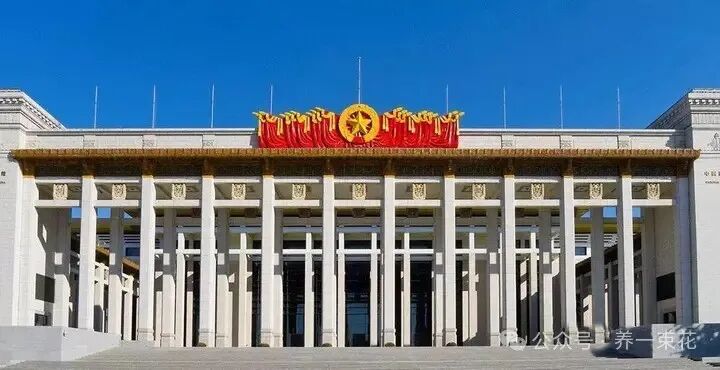
Okay, here’s a natural and fluent English translation of the provided text, adhering to your rules and using Markdown for formatting:
I walked from the front gate, so I had to go through another security check upon entering Tian’anmen Square. It was a very busy morning with lots of tourists, and the security line took about 40 minutes.
Later, I discovered that you can take the subway directly from the museum entrance (near the Tian’anmen Gate Tower side) and completely bypass the Tian’anmen security check.
The museum itself is incredibly grand. The first floor features a space exhibition, where I saw the original return capsule of Chang’e-5 and some replicas of lunar landing equipment.
The exhibition of works by master artists is also well worth seeing, including pieces by many domestic masters. You can appreciate the artistic value and feel the power of art through these paintings.
The basic exhibition of the “Road to National Renewal” is a must-see. “Hope’s Fields” portrays a true reflection of farmers across China, working in their fields, striving to shake off poverty and move towards a better life, their faces filled with happiness and beauty.
The basement level has an ancient China exhibition, tracing Chinese history from the Yuanmou Man era to the Qing Dynasty. It’s a chance to closely experience the historical changes of ancient China.
In the afternoon, I grabbed a bite to eat somewhere and then headed to the airport. I took the airport express line on the return trip – a convenient and inexpensive option at 35 yuan – and the journey from Zhushikou Metro Station (珠市口地铁站) to Daxing Airport (大兴机场) took less than an hour.
Time spent: 3 hours Ticket Price: Free
Reservation Website: http://www.chnmuseum.cn/cg/#visit_rgfs
【National Museum (国家博物馆)】Reservation Website: http://www.chnmuseum.cn/cg/#visit_rgfs